Overview
Summarise with AI
Opens the assistant with a summary prompt. Gemini does not accept a prompt in the link, so paste it there.
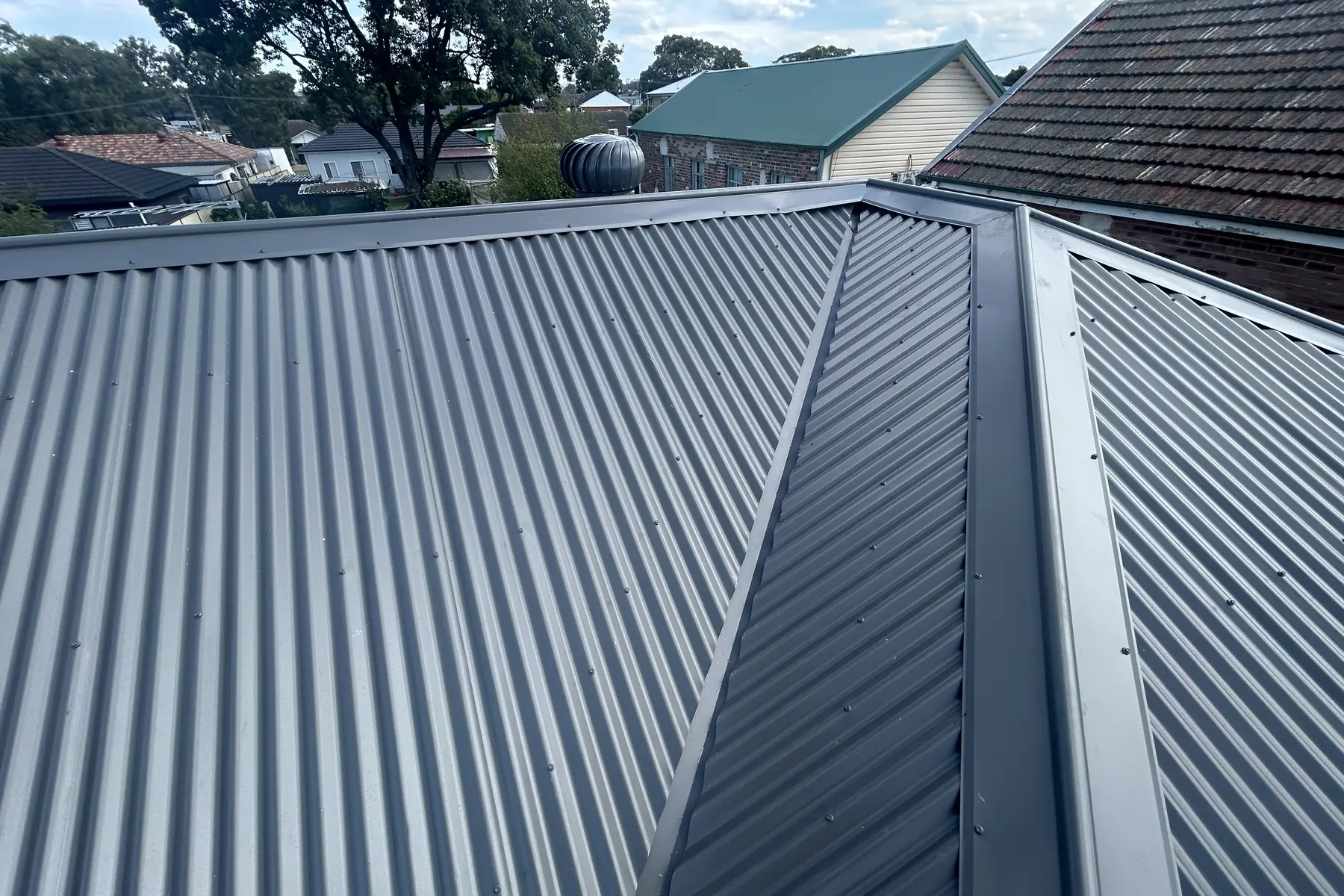
A roof inspection follows a fixed order, because the parts of a roof fail in a predictable sequence. The valleys come first, since they carry all the water and rust before anything else; then the fixings and their washers, then the flashings at every junction and penetration, then the ridge, then the sheet itself, then the guttering and fascia, and finally the timber underneath where it can be seen. Each finding means something specific: rust at the fixings alone can mean a rescrew, while rust through the valleys means the roof is at the end of its life. Knowing the list lets you ask about any item rather than accept a conclusion.
Key points
- Valleys first, because they carry all the water and fail first
- Fixings and washers next, since they perish decades before the steel
- Flashings at every junction and penetration, because that is where leaks live
- The sheet itself is checked late, not first
- Guttering, fascia and downpipe capacity are part of the same inspection
- You can ask about any item on this list and get a specific answer
The order, and why it is not random
A roof does not fail evenly. Certain parts go first, every time, and an inspection that starts with the obvious flat areas is looking in the wrong place.
The sequence below runs from the most likely failure to the least, which means the important information arrives in the first few minutes.
It also means that if somebody comes down off your roof and talks about the sheet without mentioning the valleys, they have skipped the part that decides the answer.
The seven things, in order
Each of these tells you something different, and together they answer the only question that matters: repair, rescrew or replace.
- 1. The valleys
- Where two roof planes meet and every litre funnels through. Debris sits there and holds water. Rust here is decisive: it means the roof is at the end of its life rather than damaged in a spot.
- 2. The fixings
- Rust rings radiating from screw heads means the washers have perished. On a roof that is otherwise sound this points at a rescrew rather than a replacement.
- 3. Flashings and penetrations
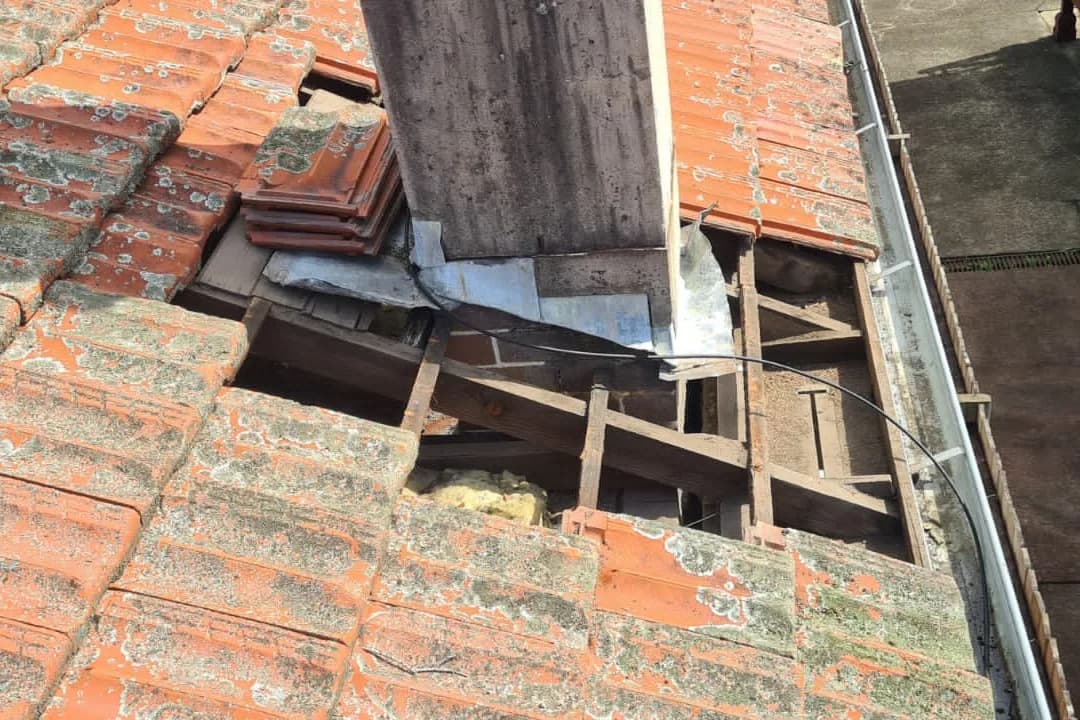
- Every wall junction, flue, vent and skylight. Sealant where a formed flashing should be is the single most common cause of a leak on an otherwise good roof.
- 4. The ridge and barges
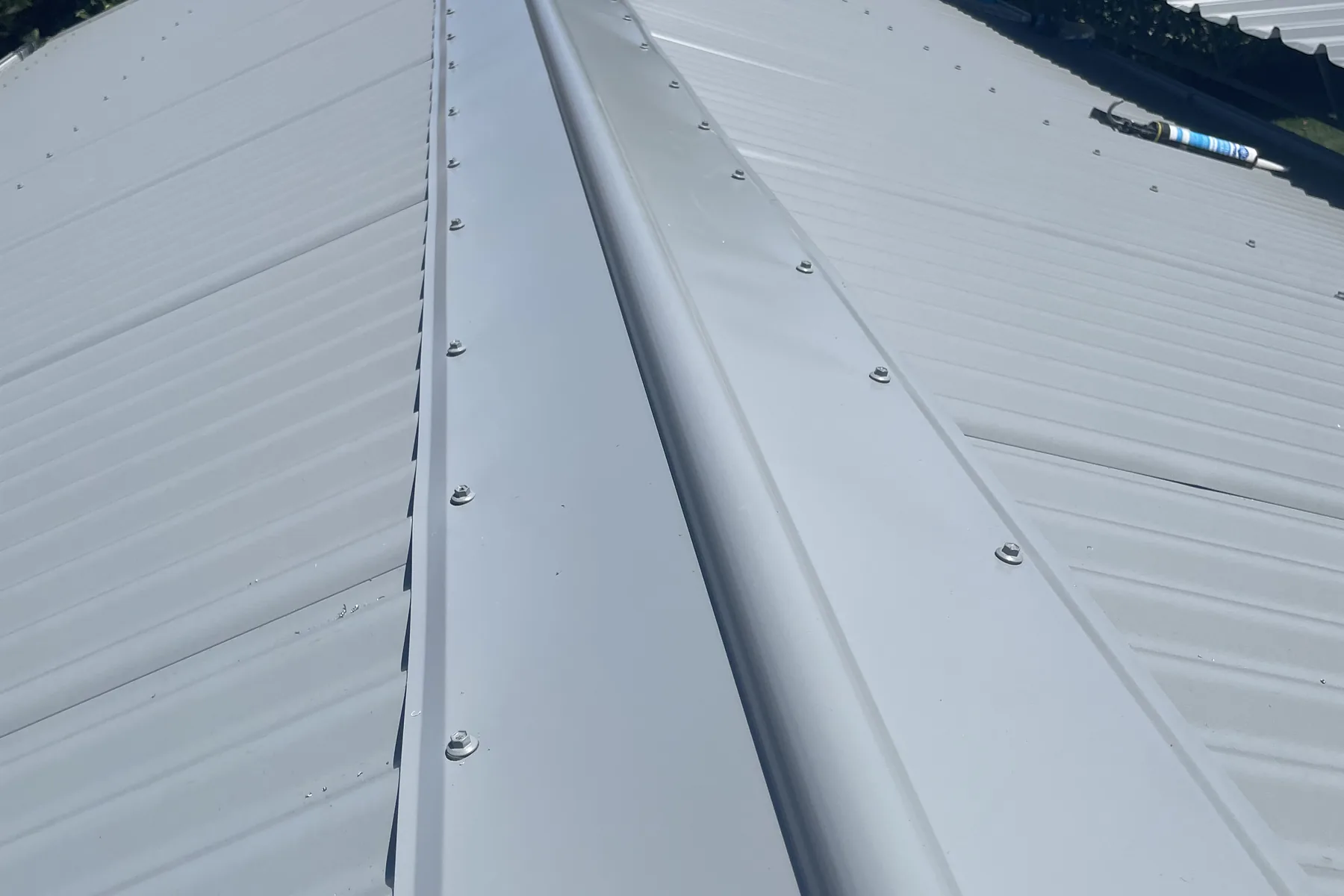
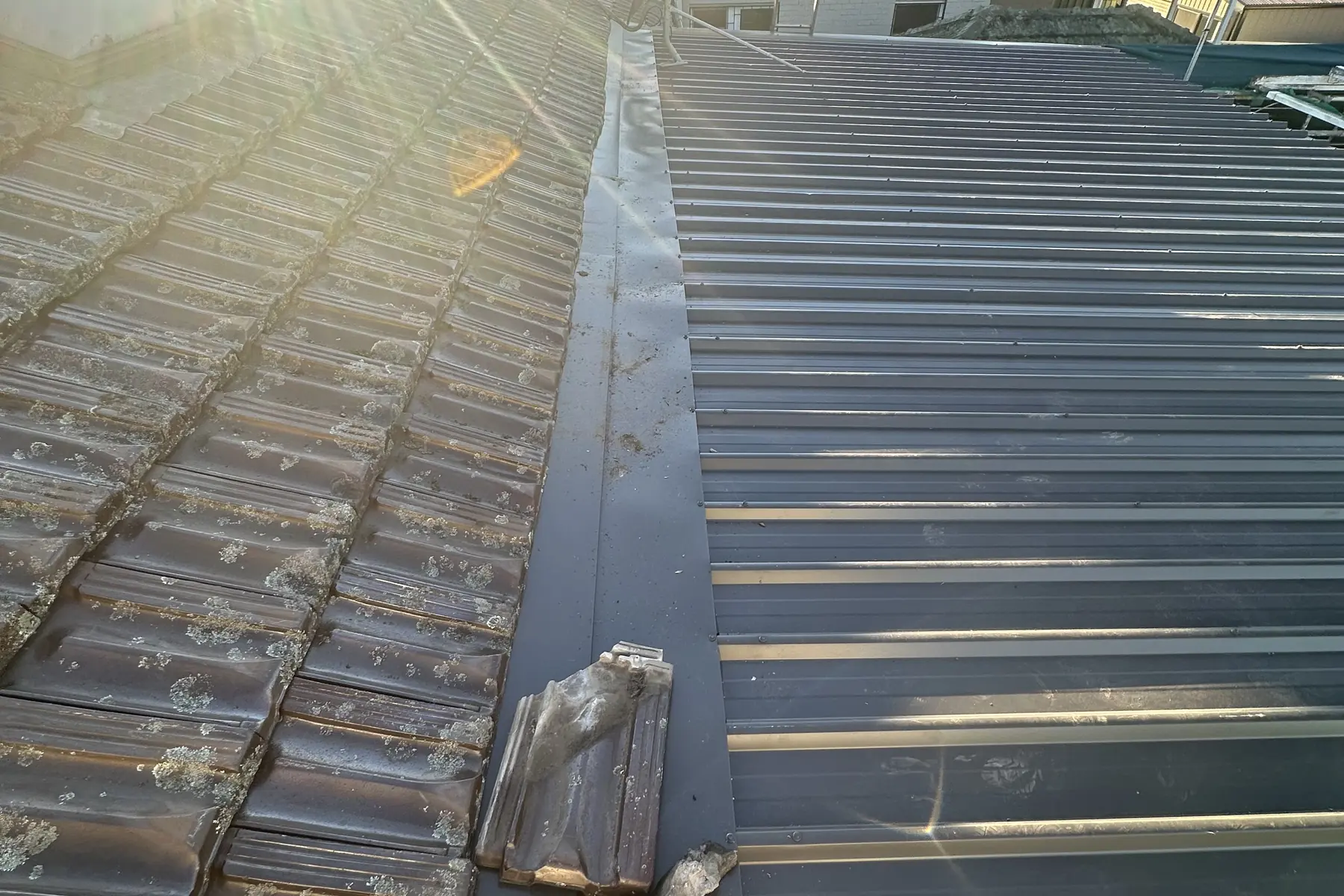
- Capping lifting, fixings loose, or on a tile roof, mortar cracked and pointing gone. This is what tells you where a tile roof is in its maintenance cycle.
- 5. The sheet
- Cut ends, dents, corrosion spreading from damage, and any contact with a dissimilar metal. Checked after the edges, because the middle of a sheet is the best protected part of the roof.
- 6. Guttering, fascia and downpipes
- Rust at the back edge, sag between brackets, standing water, and whether there are enough downpipes for the roof area. Part of the same trade and the same inspection.
- 7. What can be seen underneath
- From the manhole where there is one. Daylight through the roof, stains on the underside of the sarking, and the condition of the battens where they are visible.
What each finding actually means
The value of the list is that each item maps to a decision rather than to a general impression.
- Rust at fixings only
- Rescrew territory. The steel has life left and the washers do not.
- Rust through valleys
- Replacement. The valleys are the oldest wet part of the roof and the rest is the same age.
- One leak at a penetration
- Repair. A flashing failure is a flashing job, not a roof job.
- Cracked pointing on tile
- Repoint, or convert. Which one depends on whether this is the first cycle or the second.
- Sag in the gutter line
- Fascia. The board behind it has softened and the brackets are letting go.
- Daylight from inside
- Immediate. Something is missing rather than worn, and it should be made safe the same day.
When we quote from satellite instead
Not every roof can be walked safely, and pretending otherwise is how people get hurt.
Two storey roofs, steep pitches, brittle old sheeting and roofs with no safe access point get assessed from satellite imagery first, which gives area and shape accurately.
What satellite cannot give is condition, so it produces an indicative figure that gets confirmed on site before anything is agreed. Anyone who quotes a firm price from an aerial photograph alone is guessing at the half of the job that matters.
What you should expect afterwards
A description of what was found, in the order above, and a recommendation that follows from it.
Photographs help, particularly of the valleys and the fixings, because those are the two findings that decide between a small job and a large one and you cannot check them yourself.
If the recommendation is a full replacement, it is entirely reasonable to ask which of the seven items drove that conclusion. A good answer is specific and takes about thirty seconds.
If this sounds like your roof
We will come and measure it.
Ring and describe what it is doing. If it is a repair rather than a replacement, we will say so.
(02) 9072 1993