
Metal roofing · Sydney
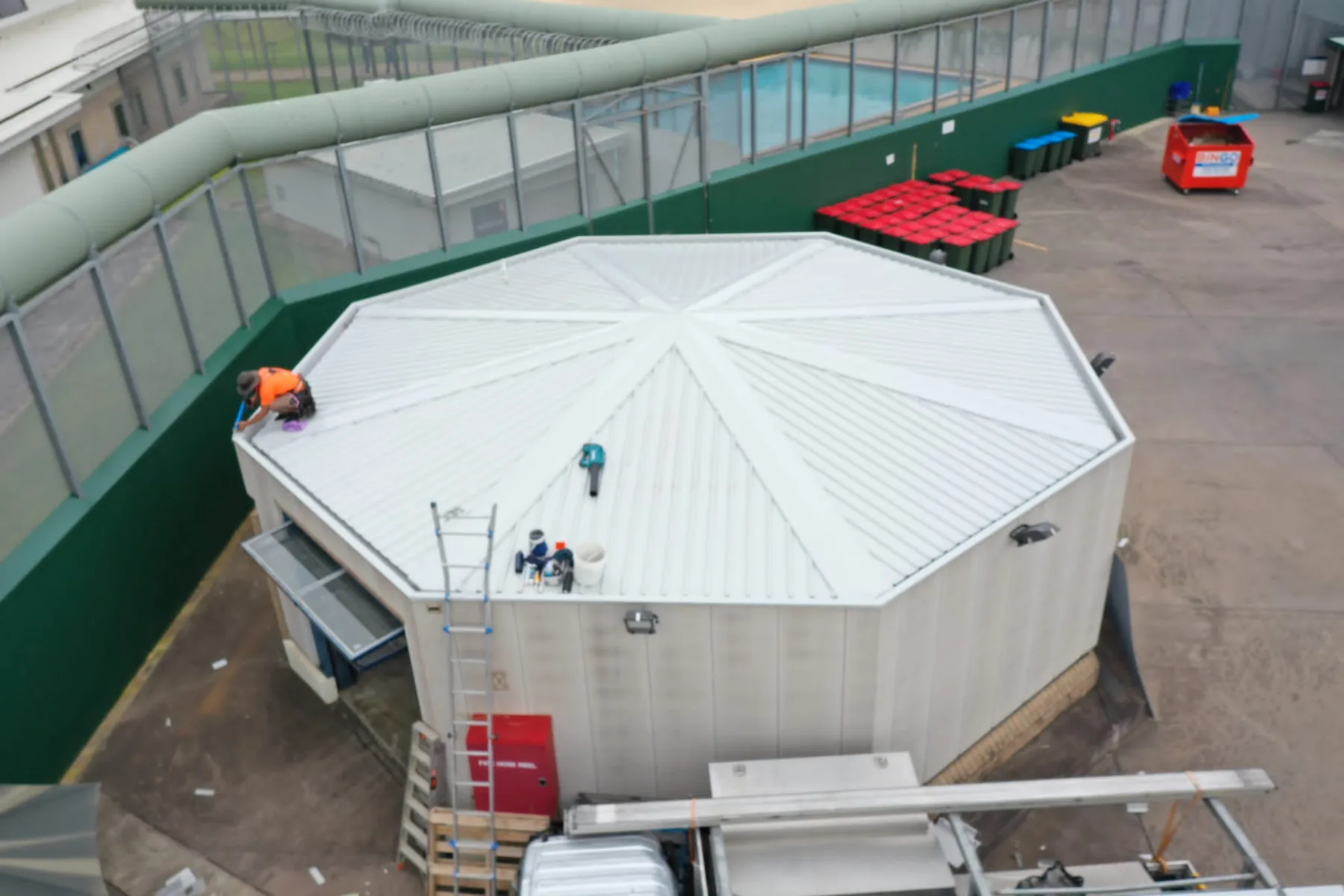
Commercial Metal Roof Replacement in Sydney
Warehouses, workshops, strata blocks and small industrial units. We will say up front if a job is bigger than we should take on.
- Trade
- Certificate III roof plumber
- Work
- Re-roofs, new roofs, guttering
- Material
- Metal only. No tile.
- Area
- Sydney, west prioritised
What is included
What you are actually buying
Staged replacement
Section by section, so the building keeps operating and is never open to weather overnight.
Access planned first
Where the material lands, where the old sheeting goes, and when the noisy part happens.
Roof plumbing included
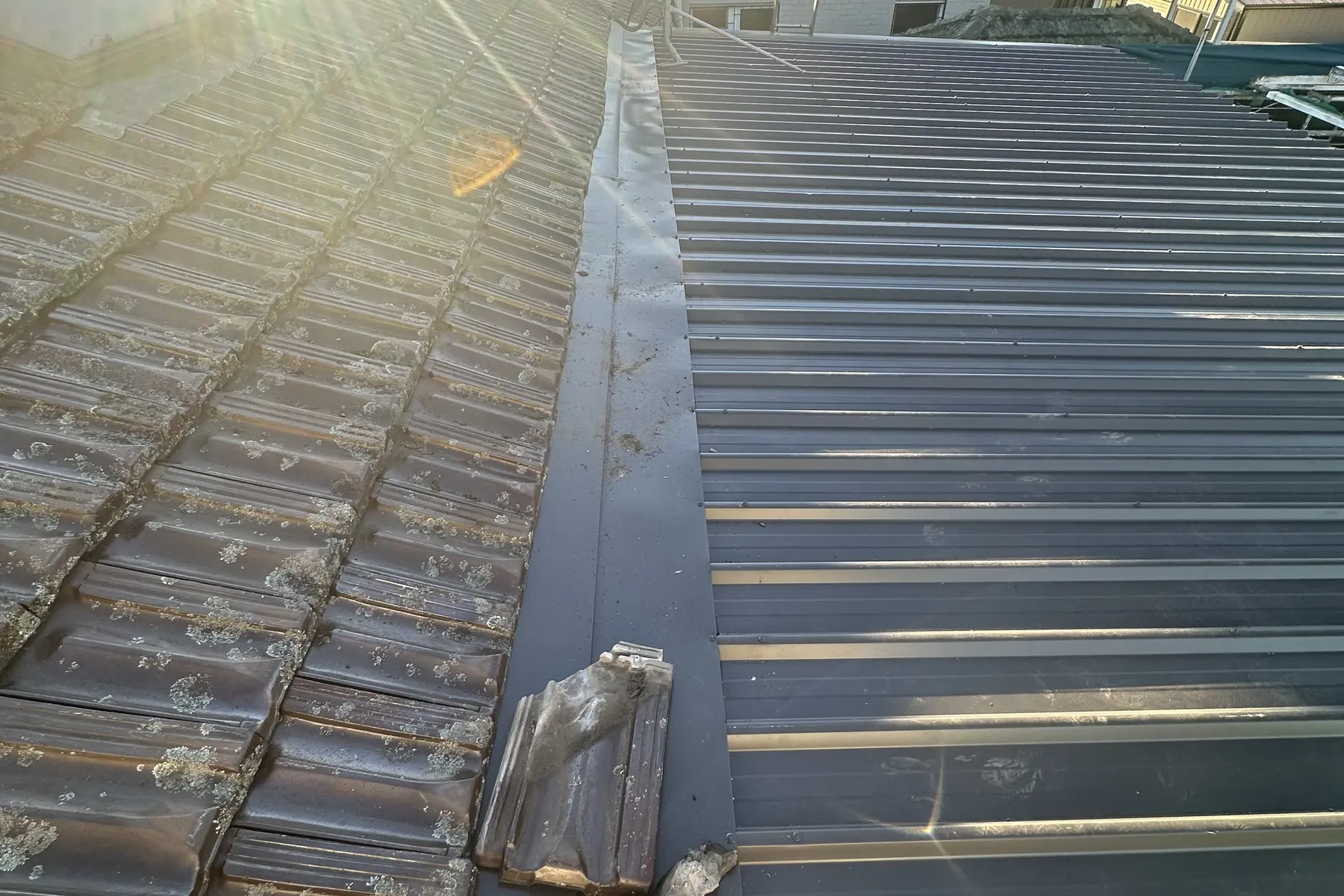
Box gutters, sumps, downpipes and overflows, which on a commercial roof are usually the actual problem.
Scoped against the crew
We will tell you plainly if a job is bigger than we should take on. A half finished commercial roof helps nobody.
Not included, deliberately
We work in metal only. No tile restoration, repointing or roof painting, no internal ceiling repairs, and no small leak chasing as a service. Job size is not a limit either way: there is no lower cut-off, and the crew scales up to roofs of around a thousand square metres.
How it works
From the first phone call to the clean up
Site walk and scope
What the roof is, what has failed, what is in the way, and whether it is one job or a staged programme.
Access and timing agreed
Trading hours, deliveries, tenants and where a crane or a scissor lift can actually stand.
Staged so the building stays dry
Work planned so no area is left open at the end of a day. This is the constraint that shapes the programme.
Sheeting and roof plumbing together
Box gutters and outlets renewed with the sheets rather than left as the next problem.
Handover with what we found
Including anything outside our scope, said plainly rather than left for you to discover.
The detail
What you should know before you commit
Commercial roof work is a different problem from a house. The roof is bigger, but the real constraint is that the building underneath is being used while you work on it.
We take commercial work at a scale a small crew can do properly. Warehouse and workshop units, strata blocks, small industrial buildings and community facilities.
The constraint is the building staying open
On a house, the roof comes off and goes back on over a few days and the occupants put up with it. On a commercial building, the tenant is trading, stock is underneath, and there is often no option to stop.
So a commercial re-roof gets planned backwards from that. Work is staged into sections that can be stripped and closed in the same day, material is landed where it does not block access, and the loud work happens at hours that were agreed before we started.
Almost every complaint about commercial roofing comes from this being assumed rather than planned.
Box gutters are usually the real job
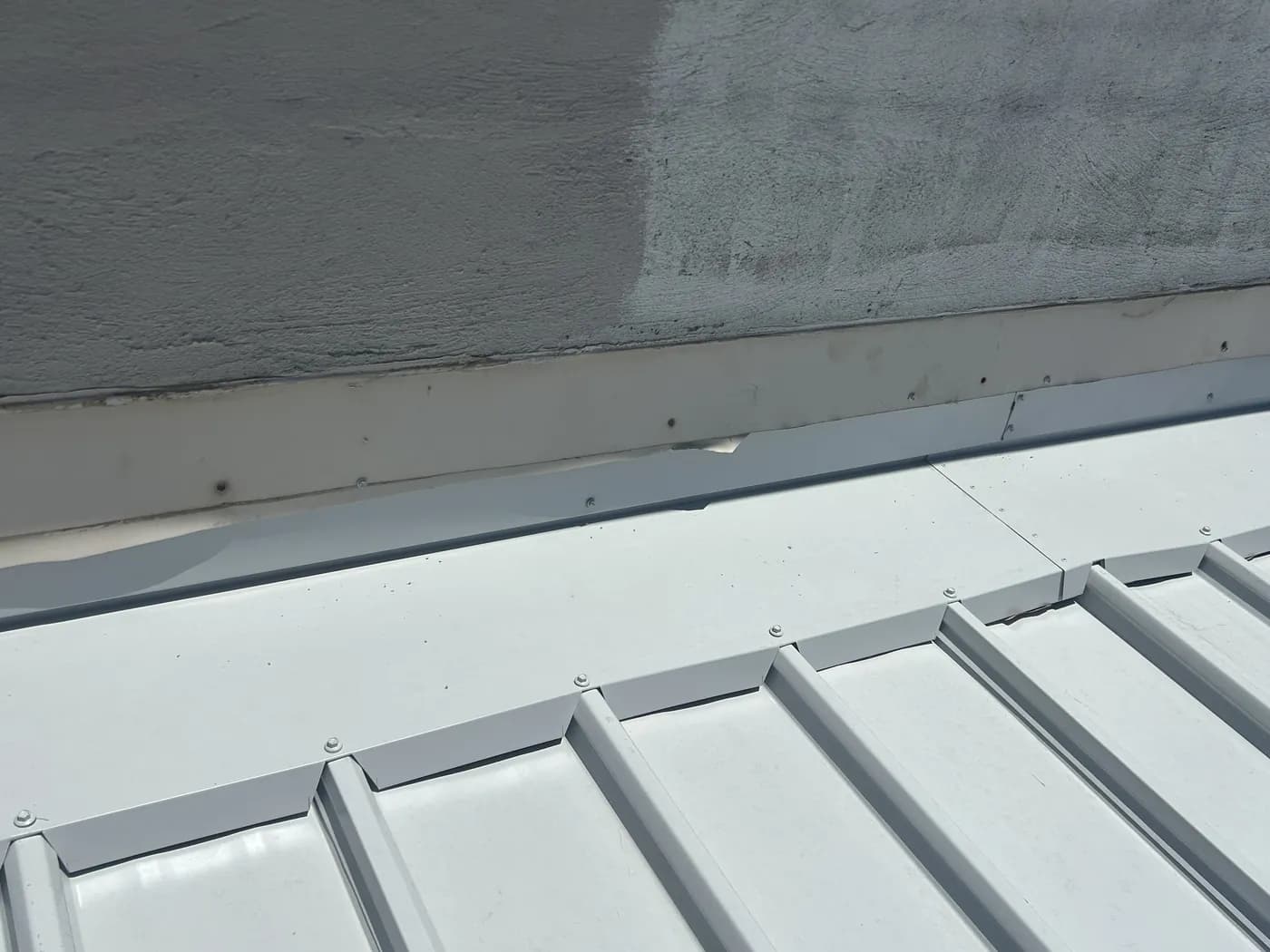
Commercial and industrial roofs drain into box gutters far more often than houses do, and box gutters are where these buildings actually fail.
They rust at the joints, they lose their fall over time as the structure moves, their outlets block, and their overflows either do not exist or discharge somewhere that nobody would have chosen.
When a warehouse leaks in heavy rain and the sheeting looks serviceable, the box gutter is the first thing worth looking at, and replacing sheets without addressing it is money spent on the wrong part of the roof.
Capacity
Sized for the roof area feeding it. A gutter that copes for ten years then fails every storm often reflects an extension that added roof area without adding drainage.
Fall along the length
Structures move. A box gutter that has lost its fall holds water permanently and rusts from the inside.
Sumps and outlets
The transition from gutter to downpipe is a fabricated detail and it is a common failure point.
Overflow provision
There has to be a designed path for water when the outlet blocks, and it has to discharge outside the building.
What we will turn down
Being straight about the ceiling is more useful than a quote for something we cannot staff.
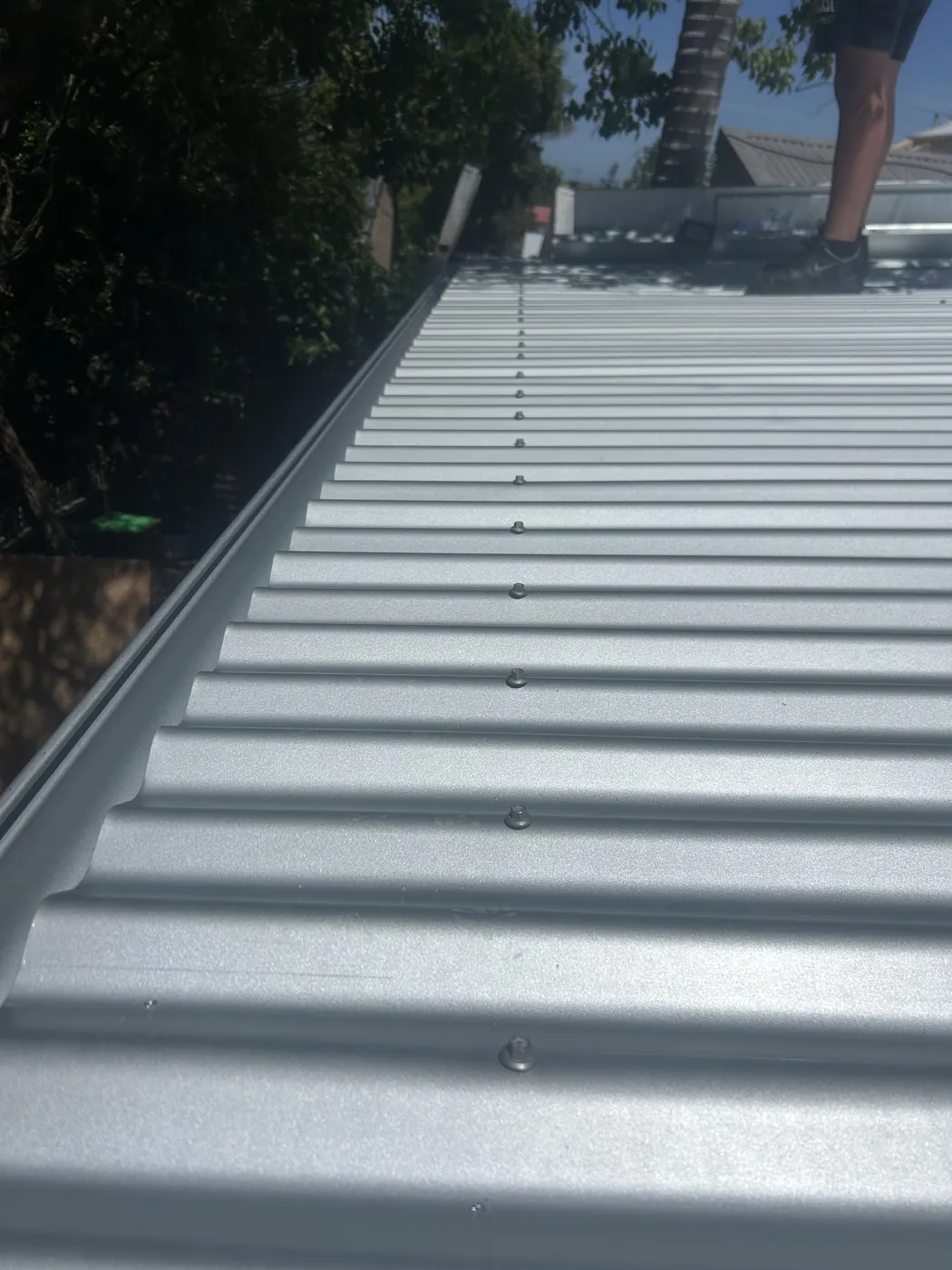
We are a small crew that scales up for larger jobs by working with people we already know. That covers a great deal of commercial work and it does not cover everything.
Very large single-stage industrial roofs, anything needing a full engineered access system, and asbestos removal are all jobs where the right answer is somebody else, and we will say so at the site walk rather than three weeks in.
Asbestos is a stop
A lot of older Sydney industrial roofing is asbestos cement. It has to be removed by a licensed asbestos removalist before any new roof goes on. We will identify it and we will not touch it.
Common questions
Commercial: common questions
Can you replace a roof while the building is being used?
Yes, and that is how most commercial jobs run. The work is staged so no section is left open overnight, and the noisy work is scheduled around trading.
Our warehouse leaks in heavy rain but the roof looks alright. Why?
Usually the box gutter rather than the sheeting. Capacity, lost fall, a blocked outlet or a missing overflow will all put water inside a building with a serviceable roof above it.
How big a commercial job will you take?
Warehouse and workshop units, strata blocks, small industrial buildings and community facilities. Beyond that we will tell you at the site walk rather than take it on.
Do you handle asbestos roofing?
No. It has to come off by a licensed asbestos removalist first. We will identify it and point you to the right people.
Other services
The rest of what we do

Flat and low pitch
Skillions, extensions and roofs with barely any slope. These need the right profile and careful laps or they leak.

Standing seam
A sharper look with no screws showing on the roof. The panels join along a raised seam instead.

Guttering
New gutters, downpipes and fascia, either with a new roof or on their own.
Next step
Get your roof measured properly
On the roof where we can get to it, off satellite imagery where access is awkward. You get a figure for your roof, not a rate applied to a guess.