
Metal roofing · Sydney
Tile to Metal Roof Conversion in Sydney
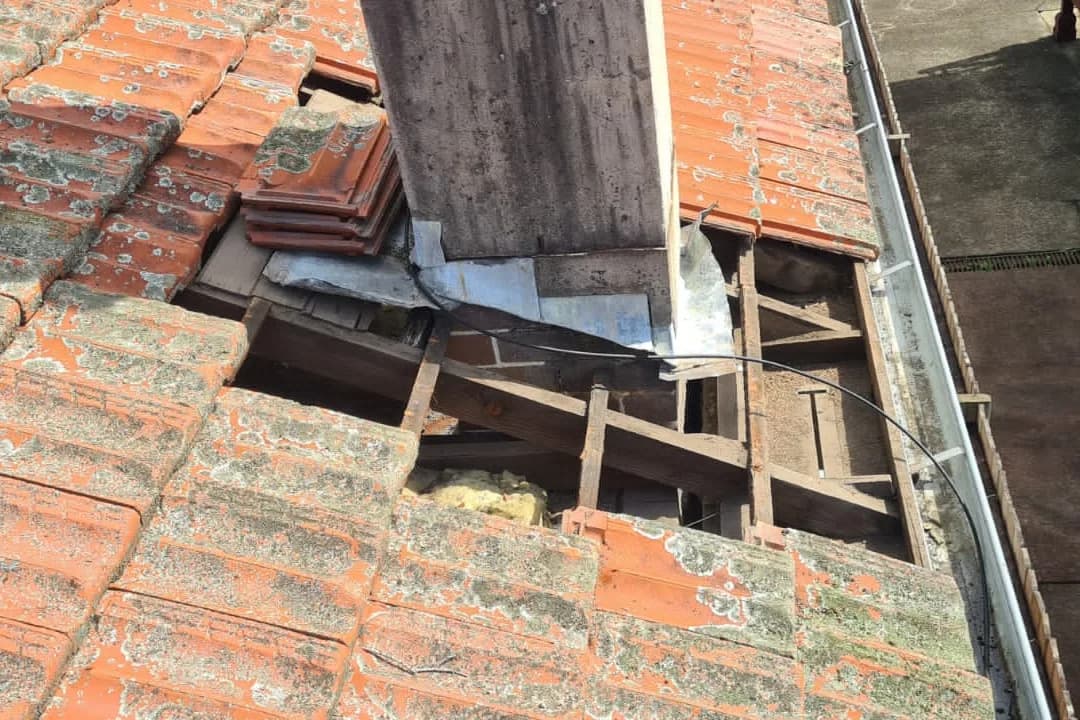
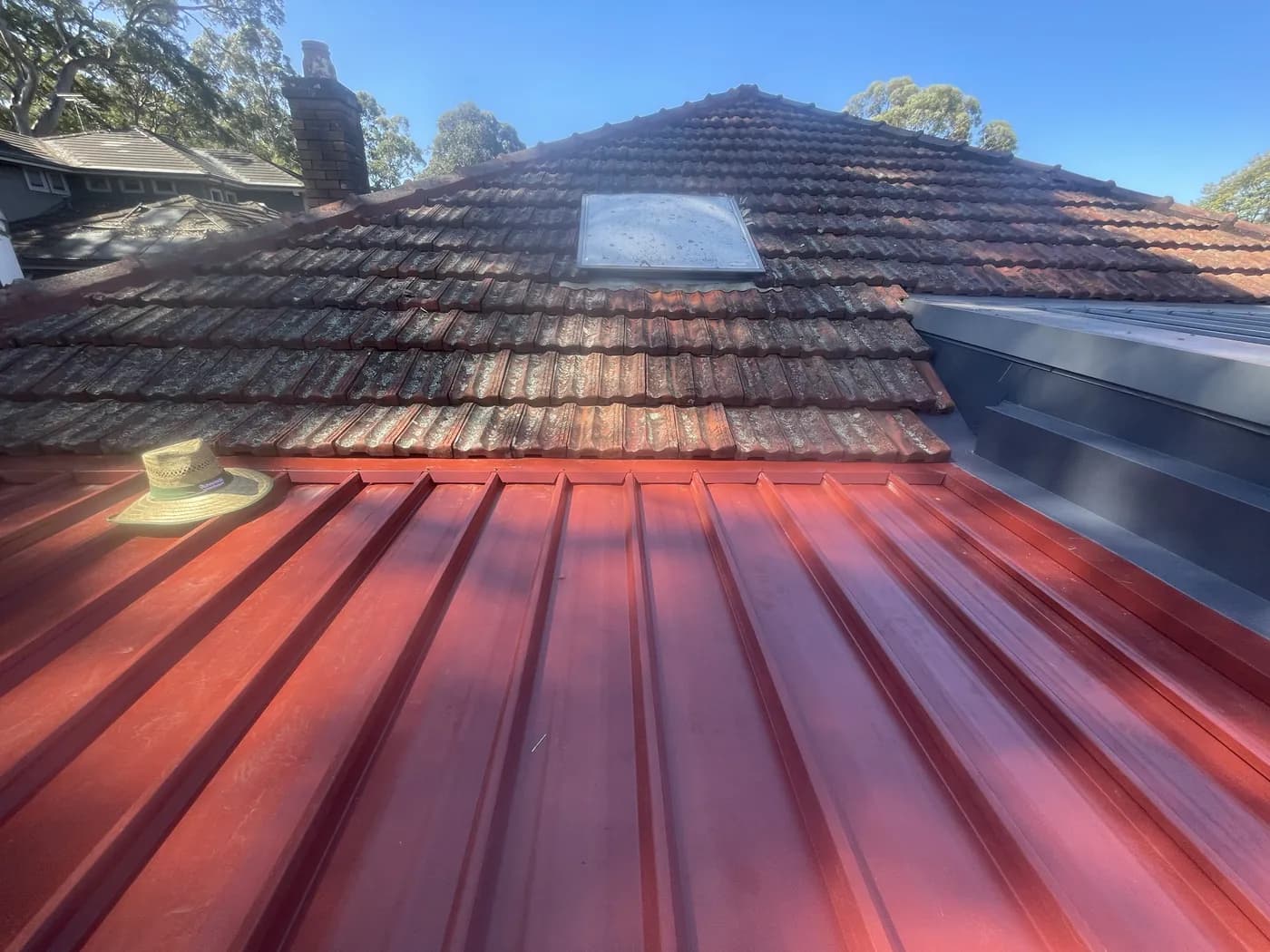
Swap a tile roof for steel. The tiles come off, we check the frame is right for the change, and the new roof goes on in sheet.
- Trade
- Certificate III roof plumber
- Work
- Re-roofs, new roofs, guttering
- Material
- Metal only. No tile.
- Area
- Sydney, west prioritised
What is included
What you are actually buying
Frame assessed first
Pitch, batten layout and frame condition checked before anything is quoted, because pitch decides which profiles are even possible.
Tiles down and away
Several tonnes of concrete removed, lowered and disposed of. A real cost, and it gets named in the quote.
New battens and sarking
Battens at the spacing your profile needs, and a blanket under the sheet so you do not get condensation in the ceiling.
Sheet, flashings, rainwater goods
Every junction remade for metal. Tile flashings do not carry across.
Not included, deliberately
We work in metal only. No tile restoration, repointing or roof painting, no internal ceiling repairs, and no small leak chasing as a service. Job size is not a limit either way: there is no lower cut-off, and the crew scales up to roofs of around a thousand square metres.
How it works
From the first phone call to the clean up
We check whether it can be done
Roof pitch is the limit. A very low pitch tile roof restricts which profiles are available, and that is established before a figure is given.
You choose profile and colour
With the pitch constraint already known, so you are not shown options your roof cannot take.
Tiles come off
The loudest part, and the most exposed the house gets. Sequenced around the forecast rather than the calendar.
Battens, sarking, sheet
New batten layout, insulation blanket, then sheet, ridge and valleys.
Guttering and clean up
Fascia inspected while it is exposed. Gutters done at the same time if they are in scope.
The detail
What you should know before you commit
A large share of Sydney re-roofs are not like for like. The house was built with tiles, the tiles have reached the end of their life, and the owner replaces them with steel instead of buying another tile roof.
It is a bigger change than it sounds, because a tile roof and a metal roof load the frame underneath in completely different ways.
Why so many tile roofs get replaced in metal
Tiles themselves last a long time. What fails first is the mortar bedding and pointing that holds the ridge capping on, and that has to be redone every decade or so for the life of the roof.
Steel does not have that maintenance cycle. There is no pointing to renew, no ridge capping to rebed, and no individual tiles to slip after a storm.
Weight
A tiled roof puts several tonnes on a frame. Sheet steel is a fraction of that, which takes load off a structure that has been carrying it for decades.
Maintenance
Repointing is a recurring cost that most owners forget about until the ridge capping starts moving. A metal roof does not have an equivalent.
Storm behaviour
Tiles crack and slip individually, and a single cracked tile leaks. A sheet roof either holds or it does not, and it is fixed down along its whole length.
Colour and profile
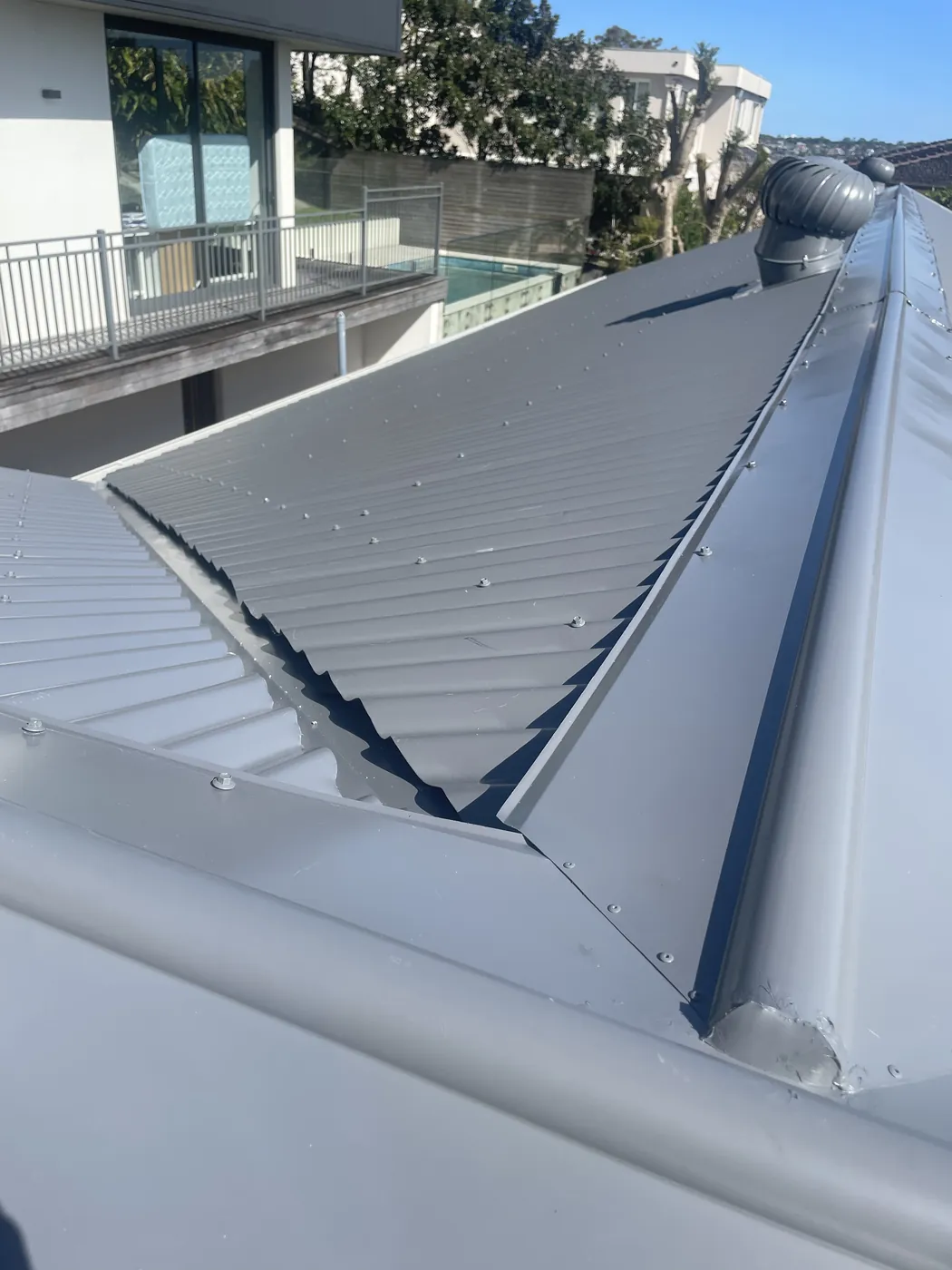
COLORBOND comes in a fixed range of colours and profiles, so the look is a decision made once rather than a matter of what tile is still in production.
What drives the cost of a conversion specifically
A conversion has cost drivers a like-for-like re-roof does not, and they are worth seeing itemised rather than folded into a rate.
Getting the tiles off and away
A tile roof is several tonnes of material to remove, lower and dispose of. It is real work and real tipping cost, and it belongs in the quote as a named line.
New battens across the whole roof
Not a repair to some battens. The spacing changes for sheet, so the roof gets a new batten layout throughout.
Sarking or insulation blanket
A tile roof did not need one and a sheet roof does. It is a new material across the entire roof area.
Flashings remade
Every junction, wall abutment and penetration gets a new flashing suited to the metal profile. Tile flashings do not transfer.
Tile and metal, compared honestly
Metal is not better than tile at everything, and a conversion is not the right answer for every house.
This is the comparison as it actually applies to a Sydney house, without the parts that only matter to a salesperson.
| Concrete tile | Metal sheet | |
|---|---|---|
| Weight on the frame | Heavy. Several tonnes on a typical house. | A fraction of tile. |
| Recurring maintenance | Ridge capping needs rebedding and repointing periodically. | No pointing cycle. Keep valleys and gutters clear. |
| Storm behaviour | Individual tiles crack and slip. One cracked tile leaks. | Fixed down along its length. Fails at fixings rather than individually. |
| Repairability | Individual tiles can be swapped, if the profile is still made. | Sections of sheet are replaced rather than single pieces. |
| Noise in rain | Quieter, because the roof breathes and is heavier. | Different sound. Close to tile once insulated underneath. |
| Condensation | Breathes between tiles, so rarely an issue. | Sealed. Needs sarking or a blanket underneath, without exception. |
| Look | Traditional. Suits the housing stock it was built with. | Contemporary or traditional depending on profile chosen. |
| Colour over time | Fades and grows moss, particularly on the south side. | Coated finish. Fades slowly and does not hold moss the same way. |
When we would tell you not to convert
If your tile roof is sound, recently repointed and you like how it looks, converting is spending a large amount of money to solve a problem you do not have yet. The conversation is worth having again when the capping next moves.
Want this priced for your roof rather than in general?
What has to be checked before a conversion can be quoted
A conversion is the one job where a quote given without seeing the roof is close to meaningless, because three things have to be established first.
| What is checked | Why | What it changes |
|---|---|---|
| Roof pitch | Every metal profile has a minimum pitch below which it will not shed water reliably. | A low pitch roof restricts which profiles are possible, and occasionally rules out the look you wanted. |
| Frame condition | The tiles have been loading it for decades and the timber has been covered the whole time. | Damaged rafters are a separate scope. Battens are expected; structural repair is not. |
| Batten layout | Tile battens are spaced for tiles. | New battens across the whole roof, at the spacing the chosen profile requires. |
| Existing penetrations | Flues, vents, skylights and solar all have to transfer. | Tile flashings do not carry over. Each becomes a line in the quote. |
| Access and disposal | A tile roof is a lot of weight to get down and take away. | Tight blocks and two storey work change the method and the cost. |
| Local controls | Some areas restrict a change of roof material. | In a conservation area this can stop the job before it starts. |
What transfers to the new roof, and what does not
A conversion replaces more than the visible surface, and a quote that reads like a like-for-like swap has left things out.
This is what actually carries over from the old roof and what has to be new.
| Item | Transfers? | Why |
|---|---|---|
| Roof frame and rafters | Yes, subject to inspection | The structure stays. It is only assessed, and it is carrying less load afterwards. |
| Battens | No | Tile battens are spaced for tiles. Sheet needs its own spacing and fixing pattern. |
| Sarking or blanket | No, it is new | A tile roof rarely had one. A sheet roof needs one, without exception, over a heated space. |
| Flashings | No | Tile flashings do not suit a metal profile. Every junction is remade. |
| Ridge capping | No | Metal capping is fixed rather than bedded in mortar, which is what ends the repointing cycle. |
| Skylights and roof vents | No | Tile units and their flashings do not carry across. Metal equivalents replace them. |
| Solar mounting | No | Tile hooks do not fit sheet. Panels remount to the ribs on new brackets. |
| Gutters and fascia | Sometimes | If sound they can stay. Both are exposed during the conversion, which is the cheapest moment to replace them. |
Common questions
Tile to metal: common questions
Is a metal roof lighter than tiles?
Considerably. Sheet steel weighs a fraction of what a tiled roof weighs, which is why the conversion takes load off the frame rather than adding to it.
Do I need council approval to replace tiles with metal?
Changing roof material can be subject to local controls, and it matters more if you are in a heritage conservation area or the change alters the height or appearance. Check with your council before committing to a colour or profile, because the answer varies by area.
Will a metal roof be noisier in rain?
It sounds different, but a properly insulated conversion with a blanket under the sheet is much quieter than people expect from experience with an uninsulated shed roof.
Can any tile roof be converted to metal?
Most can, but roof pitch is the limit. Each metal profile has a minimum pitch, and a very low pitch roof restricts which profiles can be used, so it is checked before quoting.
Do the gutters have to be replaced too?
Not necessarily, but the fascia and gutter line are exposed during a conversion and it is the cheapest time to do it. Old gutters on a new roof are usually a false economy.
Will a conversion change the shape of my roof?
No. The roof keeps its existing shape, pitch and lines. What changes is the material on it, the battens under it, and the layer between the two.
What happens to my ridge capping?
It goes with the tiles. A metal roof has its own ridge capping, fixed rather than bedded in mortar, which is why the repointing cycle disappears.
Is a conversion cheaper than replacing tiles with tiles?
Not automatically, and it depends heavily on the roof. What is more reliably true is that metal does not carry the repointing cycle, so the comparison over the life of the roof differs from the comparison on the day.
Can I keep my existing gutters?
If they are sound, yes. The fascia and gutter line are exposed during a conversion, which makes it the cheapest moment to replace them and an expensive one to come back for.
Do the tiles have any value?
Occasionally, for someone matching an old roof. It is worth asking, but plan on disposal rather than counting on a buyer.
How much lighter will the roof actually be?
Sheet steel weighs a fraction of concrete tile. The exact figures depend on the tile and the profile, and the practical point is that the conversion takes load off the frame rather than adding to it.
Other services
The rest of what we do

Full re-roof
We take the old roof off and put a new metal one on. While it is open we check the timber underneath and replace anything that has rotted.

COLORBOND
COLORBOND steel in the colour and profile you choose, laid the way the manufacturer says it has to be.

Guttering
New gutters, downpipes and fascia, either with a new roof or on their own.
Next step
Get your roof measured properly
On the roof where we can get to it, off satellite imagery where access is awkward. You get a figure for your roof, not a rate applied to a guess.