Overview
Summarise with AI
Opens the assistant with a summary prompt. Gemini does not accept a prompt in the link, so paste it there.
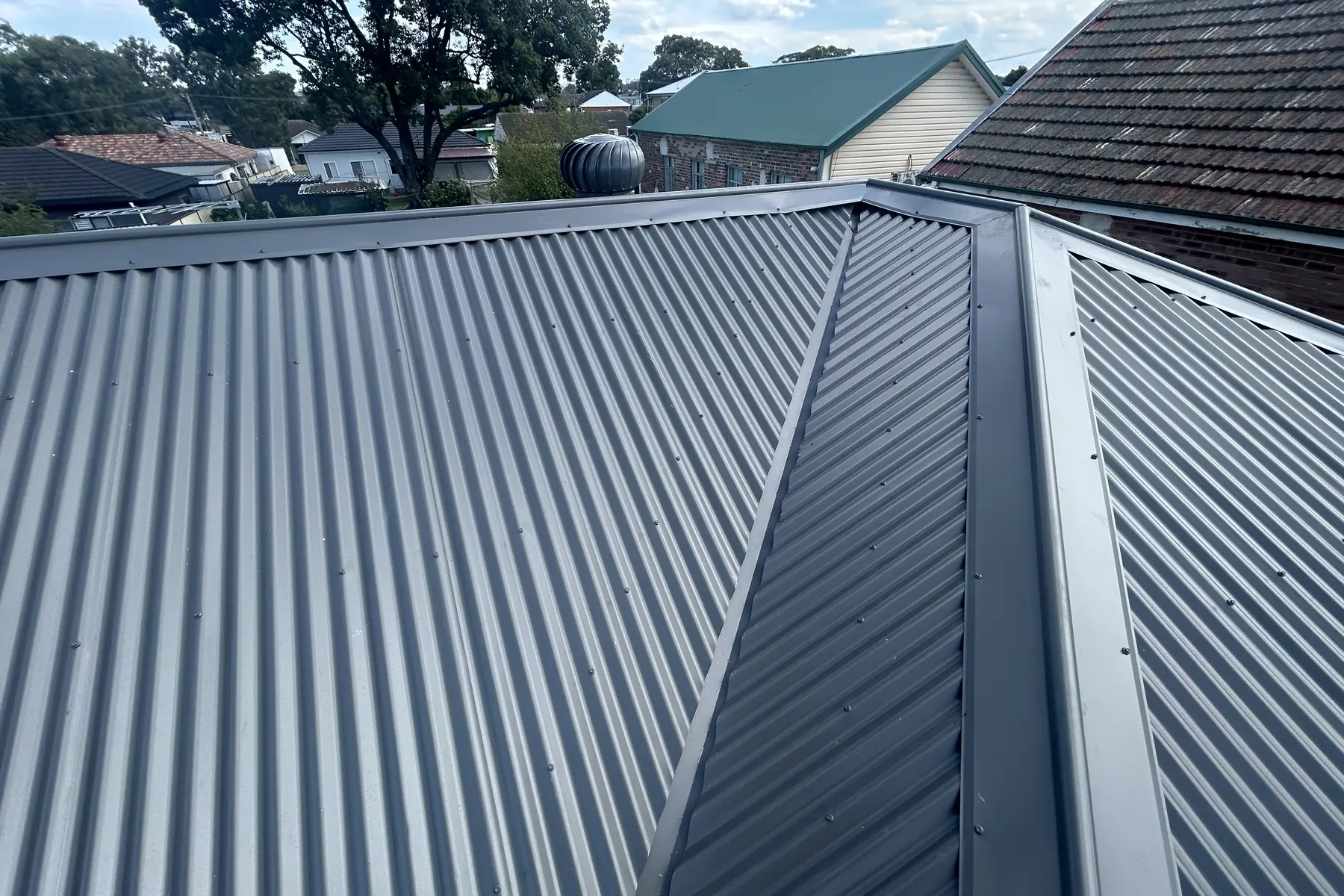
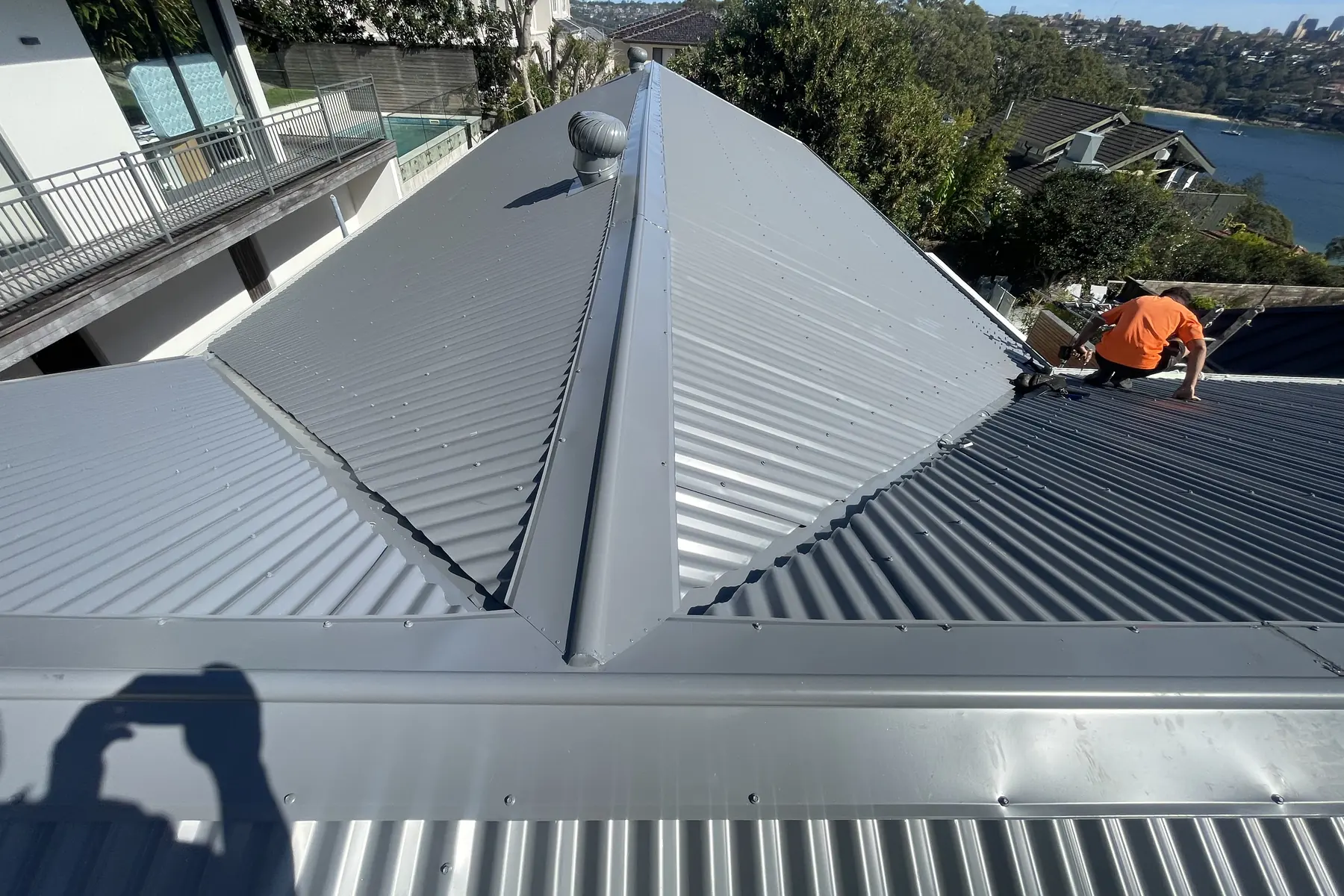
Converting a Sydney tile roof to COLORBOND steel is not a like-for-like replacement. The tiles come off, the frame is reassessed for a much lighter load, and new battens at the spacing the chosen metal profile requires are a normal part of the job rather than an extra. Roof pitch is the hard limit: every metal profile has a minimum pitch, so a very low pitch tile roof restricts which profiles can be used, and that gets checked before quoting. The item most often missing from a quote is sarking or an insulation blanket under the sheet, which is what stops condensation forming on the cold underside of the steel and dripping into the ceiling.
Key points
- Tiles usually outlast the mortar bedding that holds the ridge capping down
- Steel weighs a fraction of tile, so the conversion takes load off the frame
- New battens at the profile's spacing are part of the job, not an upsell
- Roof pitch decides which metal profiles are even possible
- Sarking under the sheet is what prevents condensation, and it is often left out
- Removing and disposing of a tile roof is a real cost that should be named in the quote
Why tile roofs get replaced in metal
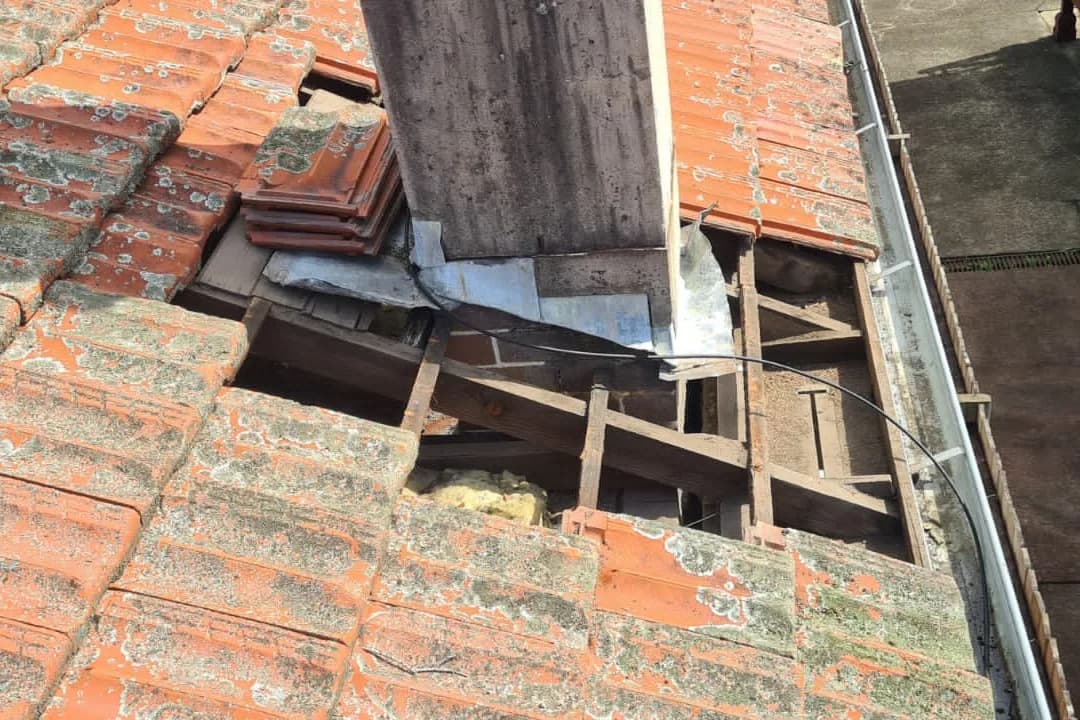
The tiles themselves are rarely the problem. Concrete tiles last decades, and on most Sydney houses the tiles on the roof are in reasonable condition when the roof is replaced.
What fails is the mortar. The bedding and pointing that hold the ridge capping in place have a life of roughly a decade before they crack and need renewing, and that cycle repeats for as long as the roof exists.
Once an owner has paid for repointing once, the question becomes whether to pay for it again or change to a material that does not have the cycle at all. That is the decision most conversions come out of.
The frame is the part that actually changes
A tile roof sits on battens spaced for tiles, at a pitch chosen for tiles, on a frame designed to carry tile weight. None of those three is automatically right for sheet steel.
- Battens
- Tile battens are spaced for the tile. Metal sheet needs its own batten spacing and fixing pattern, so new battens are a normal part of a conversion and should be listed rather than assumed.
- Load
- A tiled roof puts several tonnes on the structure. Steel is a fraction of that, so the conversion takes load off a frame that has been carrying it for decades rather than adding to it.
- Pitch
- Every metal profile has a minimum roof pitch below which it will not shed water reliably. A very low pitch tile roof cannot be converted to just any profile, and this gets checked before a quote rather than after the tiles are on the ground.
Condensation, and why the blanket is not optional
This is the change people notice after a conversion and the one that is least often explained beforehand.
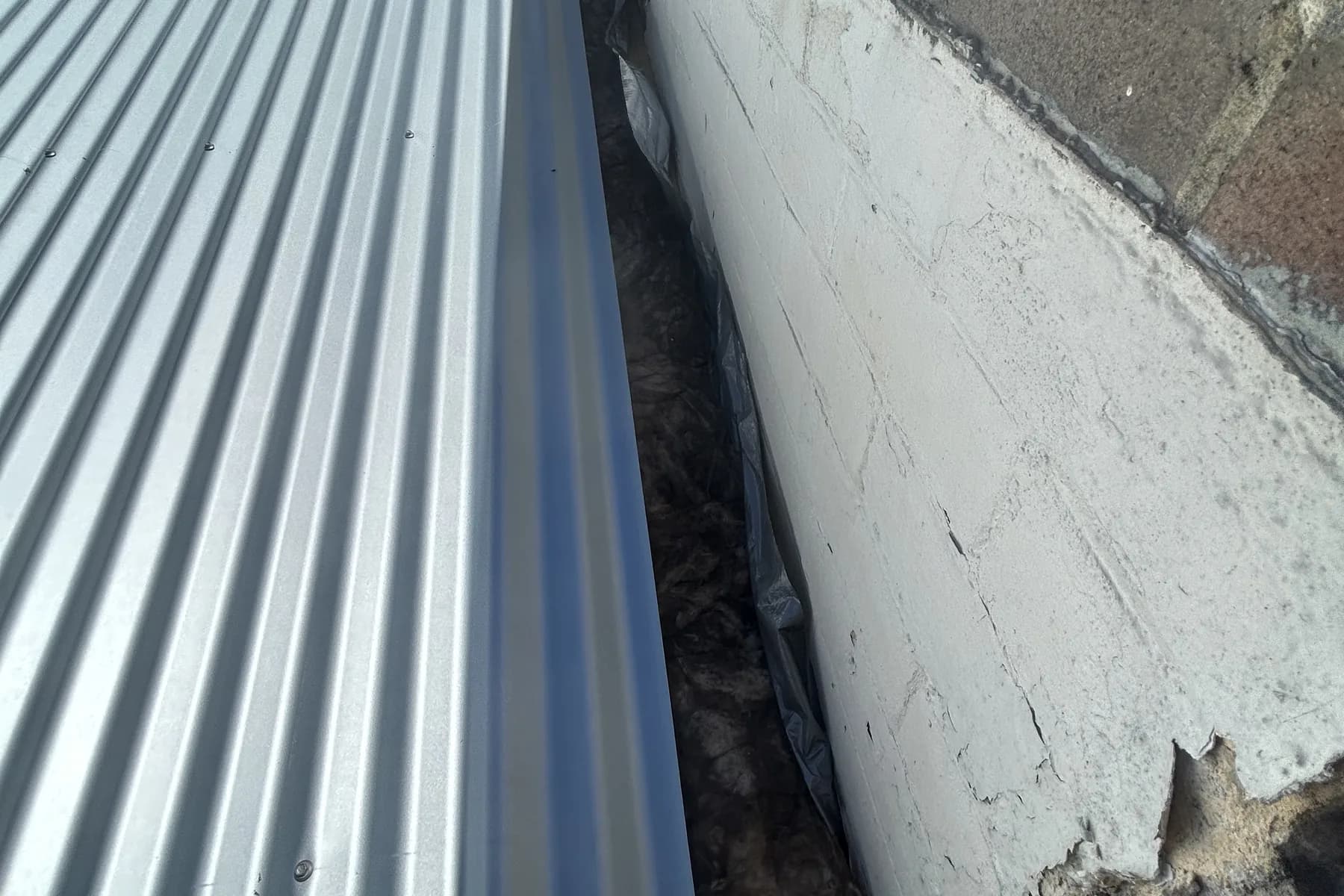
A tile roof breathes. Air moves between the tiles, so moisture rising out of the house passes through without much thought. A sheet roof is sealed, and on a cold night the underside of the steel is the coldest surface in the building.
Without a sarking or insulation layer under the sheet, that moisture condenses on the cold steel and drips back into the ceiling. It looks exactly like a leak and gets reported as one, which is why the blanket is part of the roof rather than an accessory to it.
What a conversion quote should list
A conversion has more moving parts than a like-for-like re-roof, so there is more that can be quietly left out.
- Removal and disposal of the tiles
- A tile roof is a great deal of weight to get off a house and take away. It is a genuine cost and it belongs in the quote as a named item rather than folded into a rate.
- New battens
- Which battens are going on, at what spacing, and whether any existing timber is being reused.
- Sarking or insulation blanket
- Present or absent. If it is absent, ask why, because the answer determines whether you get condensation in your ceiling.
- Profile, coating range and colour
- Not just a brand name. The profile determines the minimum pitch and the look, and the coating range matters more the closer you are to salt water.
- Guttering
- In or out. The fascia and gutter line are exposed during a conversion, so it is the cheapest moment to replace them and an expensive one to come back for.
Approvals, and when they bite
Changing roof material can be subject to local planning controls, and it matters far more in a heritage conservation area or where the change alters the appearance of the house from the street.
The answer varies by council and by street, so it is a question to ask early rather than after a colour has been chosen. In parts of Sydney a conversion is routine, and in others it is not permitted at all.
What it is like to live through
A conversion is noisier and messier than a re-roof, because a tile roof has to come off before anything else can happen.
The house stays weathertight if the work is sequenced properly, which means only stripping as much roof as goes back on the same day. A roof left open under a tarp overnight is where conversions go wrong, and it is worth asking directly how a contractor handles that before you engage them.
If this sounds like your roof
We will come and measure it.
Ring and describe what it is doing. If it is a repair rather than a replacement, we will say so.
(02) 9072 1993